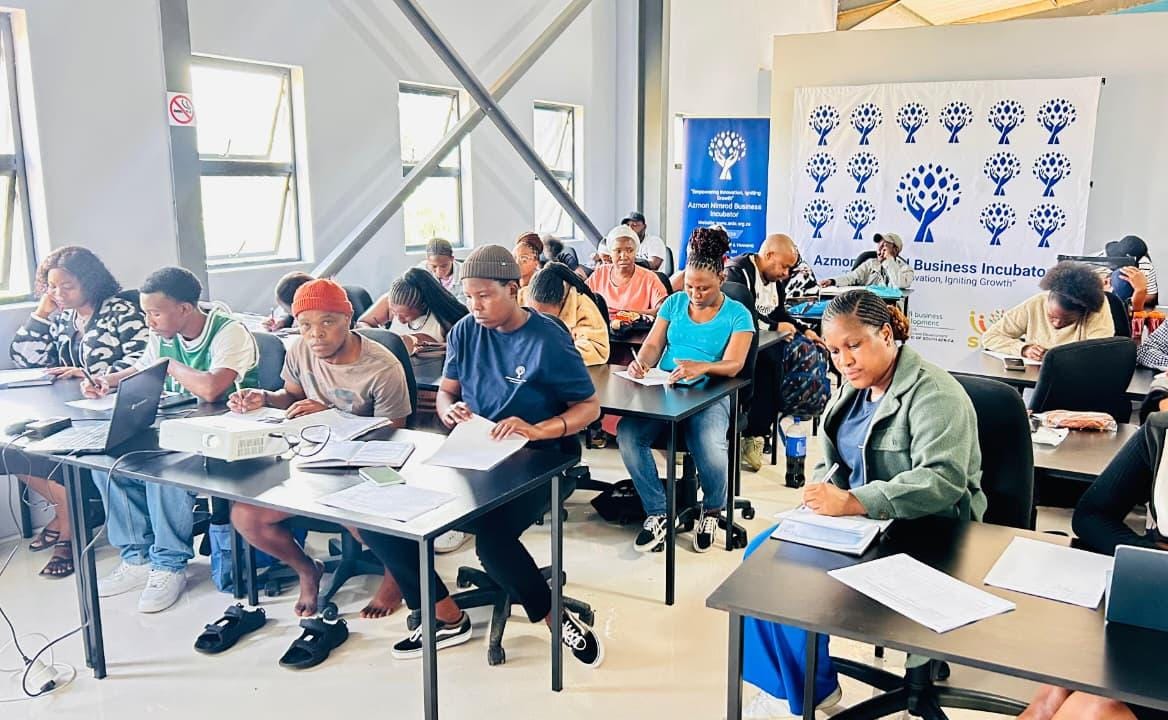
Small and medium businesses are the backbone of the economy. Around the world they make up about nine in ten businesses and employ most of the workforce. But there is a less flattering side to that scale: MSMEs also generate a large share of the world’s waste and pollution, often while operating on margins so thin that nothing can afford to be thrown away. Hidden in that problem is an opportunity.
Waste is an income stream in disguise
Every business throws something away. A kitchen discards food. A tailor sweeps up fabric offcuts. A shop flattens a mountain of packaging. Waste valorisation is simply the practice of turning that discarded material into something valuable. Food waste becomes compost. Offcuts become new products. Plastics and metals can be recovered and resold. Done well, it creates a fresh revenue line, lowers the cost of disposal, and can even become a selling point for customers who care about sustainability.
The real barrier is not what you would expect
You might assume the thing stopping small businesses from going greener is money or technology. The evidence says otherwise. The biggest barriers are awareness and practical know-how. Many owners simply have not seen how eco-innovation applies to their business, or they assume sustainability is costly, complicated and disconnected from making a profit. Change that perception and the rest follows.
Why a human-centred approach works
This is why the most effective way to spread eco-innovation is not a lecture or a policy, but a hands-on, human-centred one. It starts by watching how a business actually handles waste and listening to the people who do the work. Small, cheap experiments come first, like moving a bin or adding a sign, before anyone commits real money. And crucially, staff help design the new process, which means they own it rather than resist it. Low cost, low risk, and built around real people.
What it looks like in practice
The results can be strikingly simple. In one training programme, a spaza shop turned plastic packaging into moulded bowls to sell. An agri-business composted food waste and eggshells into a product for farmers. A clothing business stitched fabric offcuts into cushions and pillows. None of these needed expensive machinery. They needed someone to point out that the waste was worth something, and a bit of guidance to turn the idea into a product. Among the businesses trained, most had never heard of eco-innovation before, and a clear majority went on to actively repurpose their waste into income.
Where ANBI fits in
This is exactly the kind of practical, results-focused training we believe in. Teaching a founder to see waste as raw material builds resilience, sharpens competitiveness and opens a new income stream, all at once. It is good for the business and good for the environment, and it turns a sustainability obligation into a genuine business opportunity.
The next product line for a small business might already be sitting in its bin. Sometimes all it takes is the training to see it.
Comments