Small businesses are the engine room of any healthy economy. They create jobs, keep money circulating in local communities and open doors for people the formal economy often leaves behind. In South Africa, where unemployment, poverty and inequality remain stubbornly high, that role matters more than ever, and nowhere more than in rural areas.
The problem is that starting a business is hard, and staying in business is harder. Around four out of five South African start-ups close within their first three years. In rural communities the odds are steeper still, because the things a young business needs most, like funding, workspace, equipment, reliable connectivity and a network of buyers, are exactly the things in shortest supply.
The gaps that hold rural founders back
Rural entrepreneurs rarely fail for lack of ideas or effort. They fail for lack of resources. Many work without a proper workspace, without access to machinery, and without the capital to buy stock or fulfil a large order. Compliance is another quiet barrier: registering a company, staying tax compliant and meeting the rules of a sector can overwhelm a founder who is already stretched thin. Connectivity gaps make it worse. In some rural communities, young people finish school having never used a computer, which shuts them out of everything from online banking to digital marketing.
What the research shows
A study of rural business incubation centres in KwaZulu-Natal set out to understand what actually works. The centres surveyed each support between 20 and 70 small enterprises per cohort, and their managers were asked about their biggest successes, their hardest challenges, and what their founders struggle with most.
The successes were telling: real jobs created, stronger relationships with partners and funders, and finance secured for the businesses they support. The challenges clustered just as clearly around funding, a shortage of corporate partnerships, skills gaps, and the slow work of shifting a subsistence mindset toward an entrepreneurial one. The ingredients that mattered most came down to finance, information, workspace with equipment, and strong business linkages, both to suppliers and to markets.
Funding is the thread through everything
One finding ran through every theme: finance. Most of the other obstacles a rural founder faces can be eased with sufficient funding, whether that means buying equipment, paying for training or bridging the gap until the first big contract lands. The same is true for the incubators themselves. A centre can only pass on the support it is resourced to provide, which is why building business linkages and attracting steady investment matters so much. Underfund the incubator and you weaken every business that depends on it.
Why this matters to us at ANBI
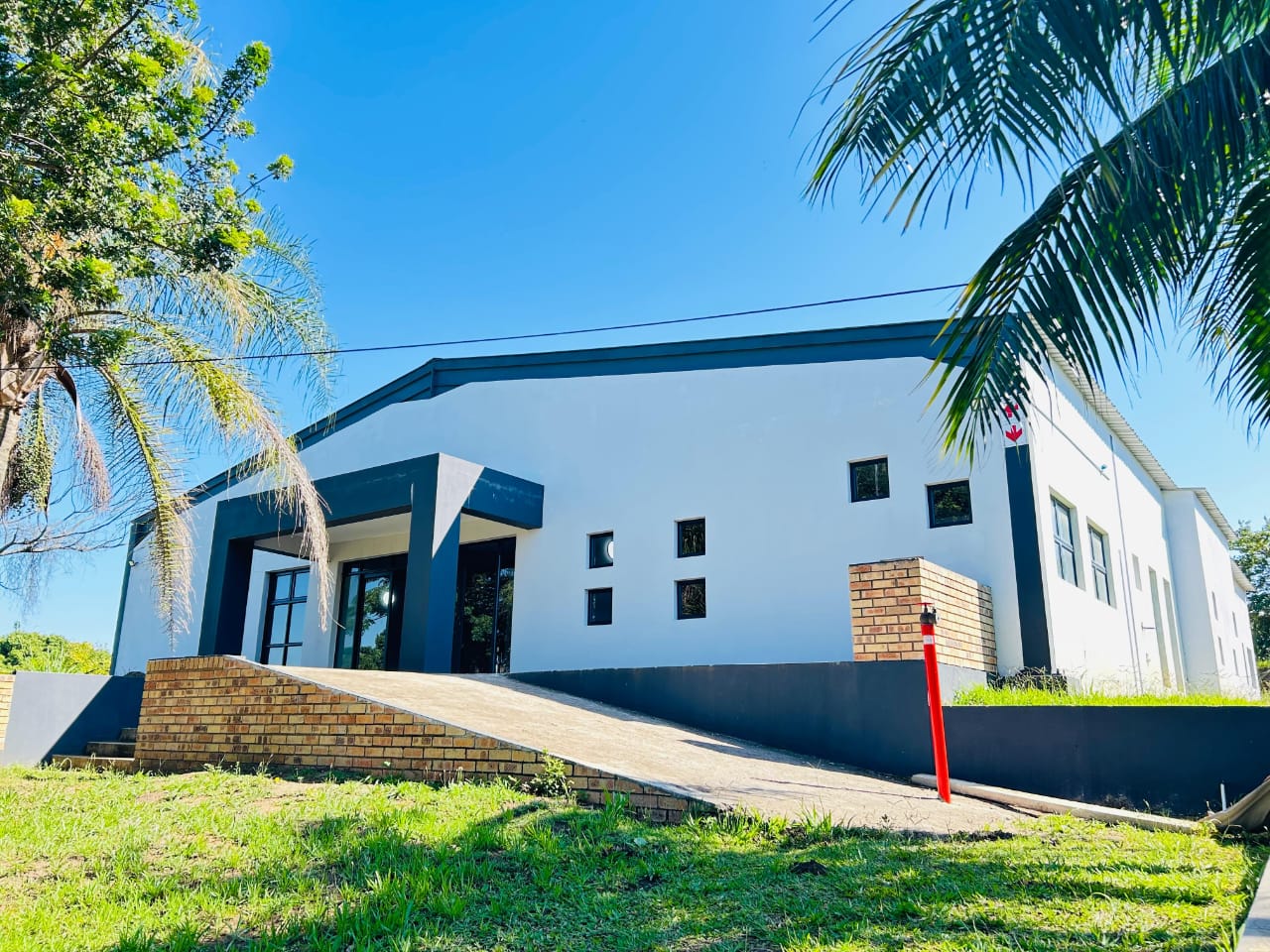
This is the work ANBI exists to do. From our centre in Groutville, we bring the missing pieces together in one place: workspace and equipment, mentorship, training, compliance support, funding readiness and introductions to the partners and markets that help a business grow. The research puts it starkly, arguing that rural incubation centres are as important to rural development as schools are, and deserve the same commitment. We think that is exactly right. Every founder we help to survive and grow is a step toward the jobs, dignity and inclusive growth that rural South Africa has been promised for a long time.
If you are building a business in KwaZulu-Natal, you do not have to do it alone. That is the whole point of an incubator.

Comments