Rural communities are not short of talent, ideas or hustle. What they are often short of is development that actually fits their lives. For decades, well-meaning programmes have arrived from the top down, designed far away, rolled out quickly and then handed over, only to fade once the funding ends. There is a better way to think about it, and it starts with people.
What human-centred entrepreneurship means
Human-centred entrepreneurship keeps real people at the centre of every decision: the founders, their staff, their customers and their communities. Instead of asking only what is profitable, it asks what is genuinely useful, usable and wanted by the people it is meant to serve. It borrows heavily from design thinking, the practice of understanding people deeply, defining the real problem, generating ideas, building rough prototypes and testing them with the very people who will use them.
The shift is subtle but powerful. It moves the entrepreneur from profit-maker to problem-solver, and it measures success by the value created for a community, not by revenue alone.
Five principles that guide it
In practice, the approach rests on a few clear ideas. Start with empathy and a real understanding of what a community needs. Co-create solutions with people rather than for them. Balance economic, social and environmental outcomes rather than chasing one at the expense of the others. Build capability through hands-on learning so skills stay in the community. And judge success by social impact, not just the bank balance.
An idea rooted in Ubuntu
None of this is foreign to African life. Human-centred entrepreneurship sits comfortably alongside Ubuntu, the philosophy captured in the phrase I am because we are. Where conventional models often picture the entrepreneur as a lone hero, this approach sees founders as community catalysts who pull together local knowledge, relationships and resources to create value that benefits everyone around them. It is globally relevant and deeply African at the same time.
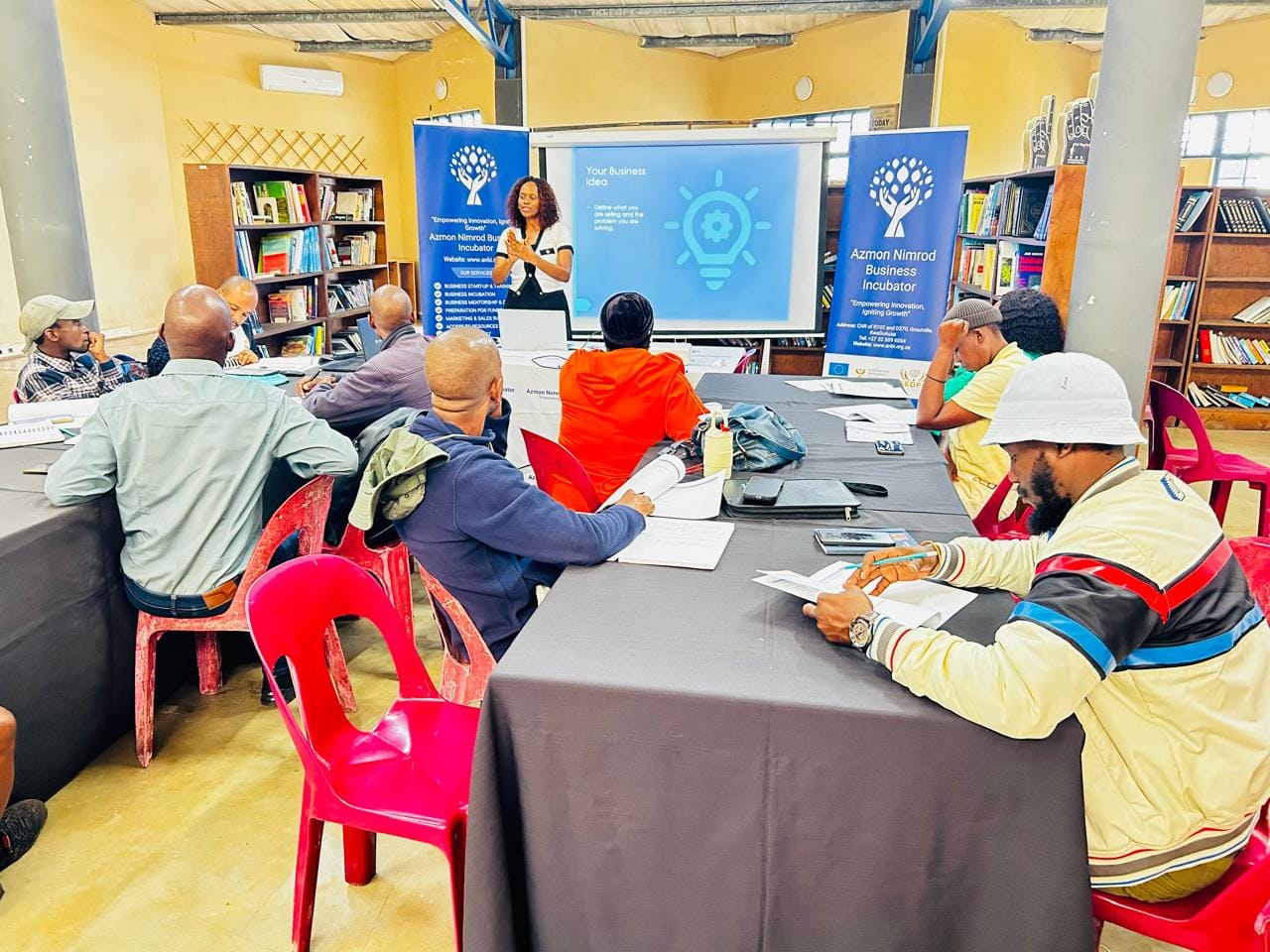
It is already showing results across the continent. Programmes in Kenya train rural youth for online work, others in Ghana back agri-entrepreneurs, and foundations in Nigeria mentor early-stage founders. Here in South Africa, our own work at ANBI reflects the same thinking: we pair mentorship, compliance support and funding facilitation with relational coaching, experiential learning, problem-solving workshops and community market days, so founders build confidence and accountability alongside a business.
From beneficiaries to co-designers
The single most important shift this asks for is simple: stop treating rural citizens as beneficiaries who receive a programme, and start treating them as co-designers who shape it. When people help design the support they receive, they take ownership of it, and it lasts. That is how you build not just individual businesses but the confidence, autonomy and social capital a whole community can grow from.
Rural entrepreneurs are more than economic actors. They are change agents, cultural custodians and community builders. Design support around that truth, and rural futures start to look very different.

Comments