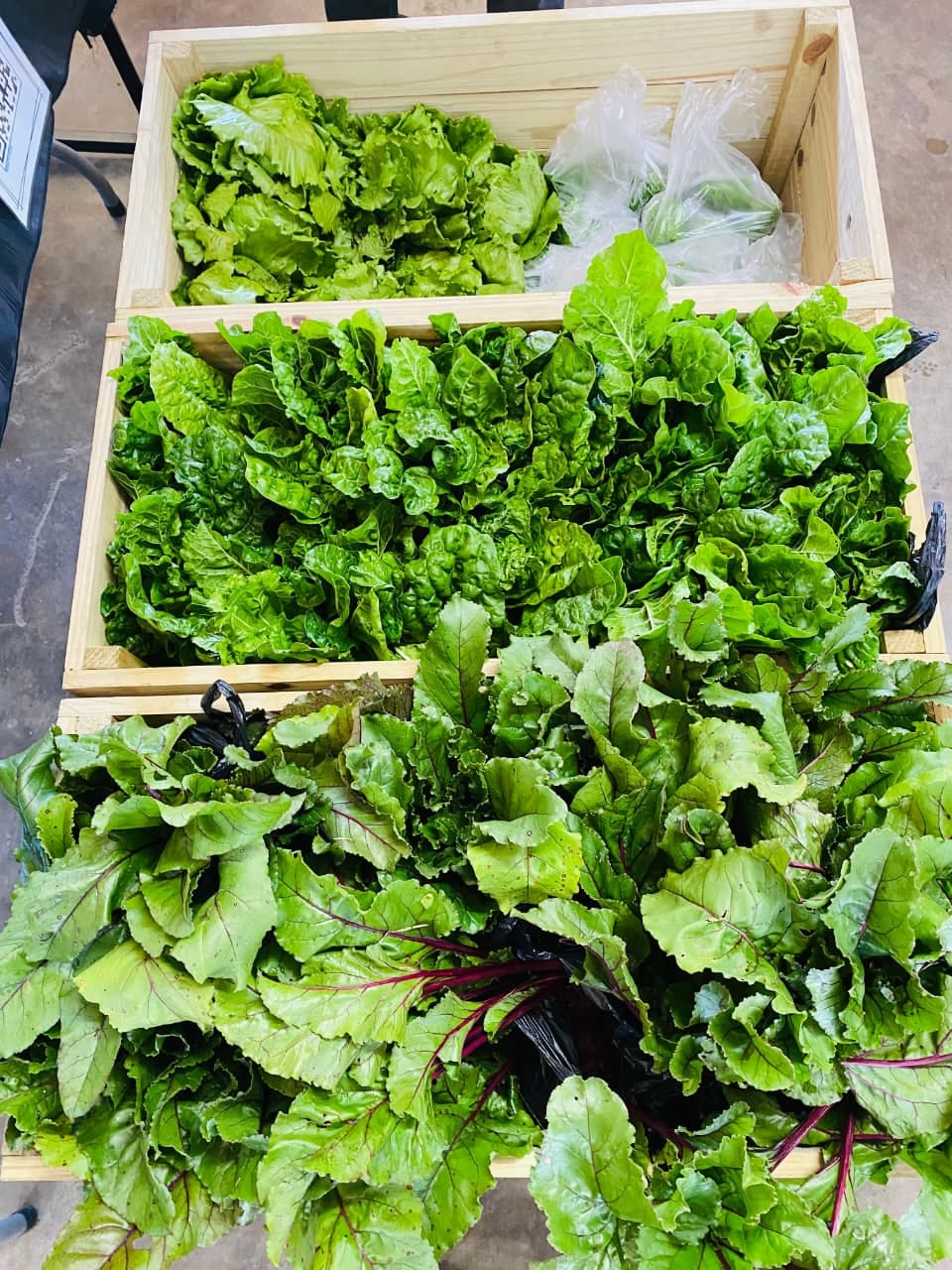
For many smallholder farmers, farming is survival, not business. Years of chemical-heavy, single-crop farming can drain the soil, push up the cost of inputs and leave families producing just enough to get by. Agroecology offers a different path, and increasingly a commercial one.
What agroecology actually is
Agroecology brings together ecological principles, traditional farming knowledge and a strong sense of fairness to build food systems that are productive and sustainable at the same time. In practice it looks like composting instead of buying expensive fertiliser, intercropping to get more from the same land, agroforestry and mulching to rebuild soil, and conserving water rather than wasting it. These are not exotic techniques. Many are rooted in knowledge rural communities already hold.
What the farmers found
In our agroecology work in KwaZulu-Natal, we looked at what happens when smallholder farmers move from conventional methods to agroecological ones. The pattern was encouraging. A majority reported better yields as they diversified their crops. Most saw their soil improve through mulching and reduced erosion. Input costs came down as farmers made their own compost, and food security rose as households grew a wider variety of produce to eat and to sell.
From harvest to enterprise
The most interesting shift was not agricultural but entrepreneurial. Cleaner, organic produce opened market opportunities that conventional crops could not reach. Lower costs and higher revenue meant many farmers saw their incomes rise. And because agroecology is knowledge-rich and community-based, it strengthened the networks between farmers, turning isolated growers into something closer to a local food economy.
This is what it means to treat agroecology as a form of eco-entrepreneurship. It balances people, planet and profit at the same time, and it turns a plot of land from a source of subsistence into the foundation of a small business.
The barriers, and how we help
It is not automatic. The farmers we work with point to two real barriers: gaps in knowledge about new techniques, and difficulty reaching good markets. Some also face resistance in their communities when they first change how they farm. This is exactly where an incubator earns its keep. Through training, mentorship, finance readiness and market linkages, ANBI helps farmers make the transition stick and then build a business on top of it.
Embed agroecology in the way we train and incubate rural founders, and smallholder farming stops being a fallback. It becomes a thriving, sustainable enterprise, and a serious contributor to food security and rural growth.

Comments